In India, teaching is one of the most respected professions, and I experienced that respect in the most unforgettable way during our visit to CM Shri School.
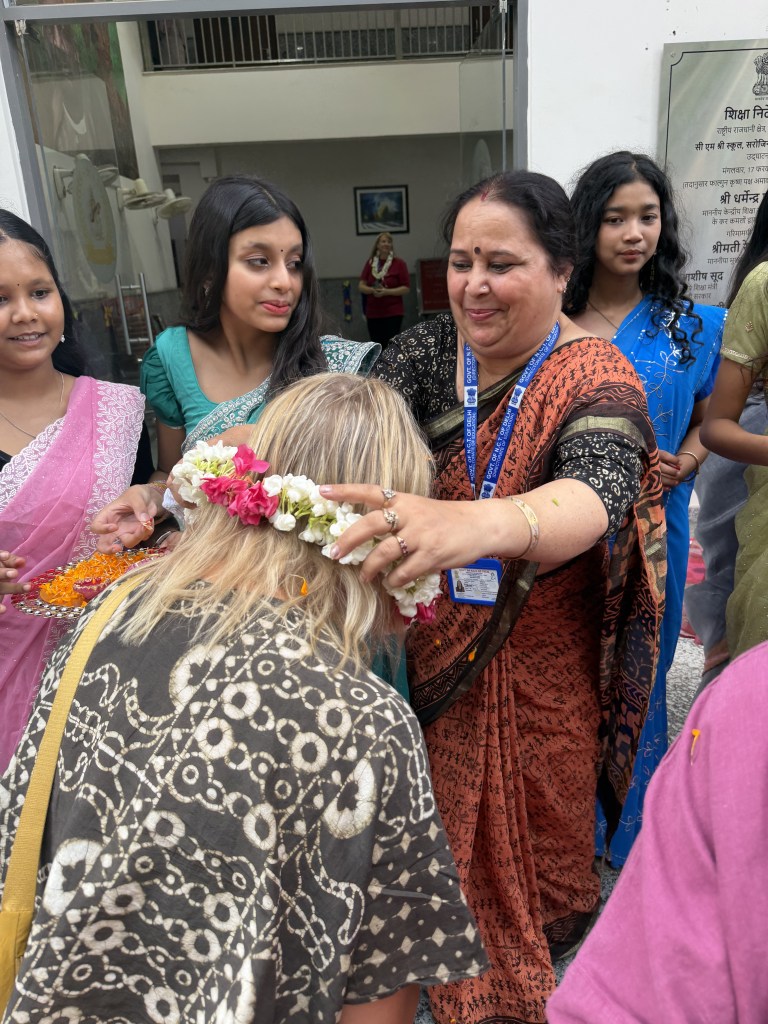
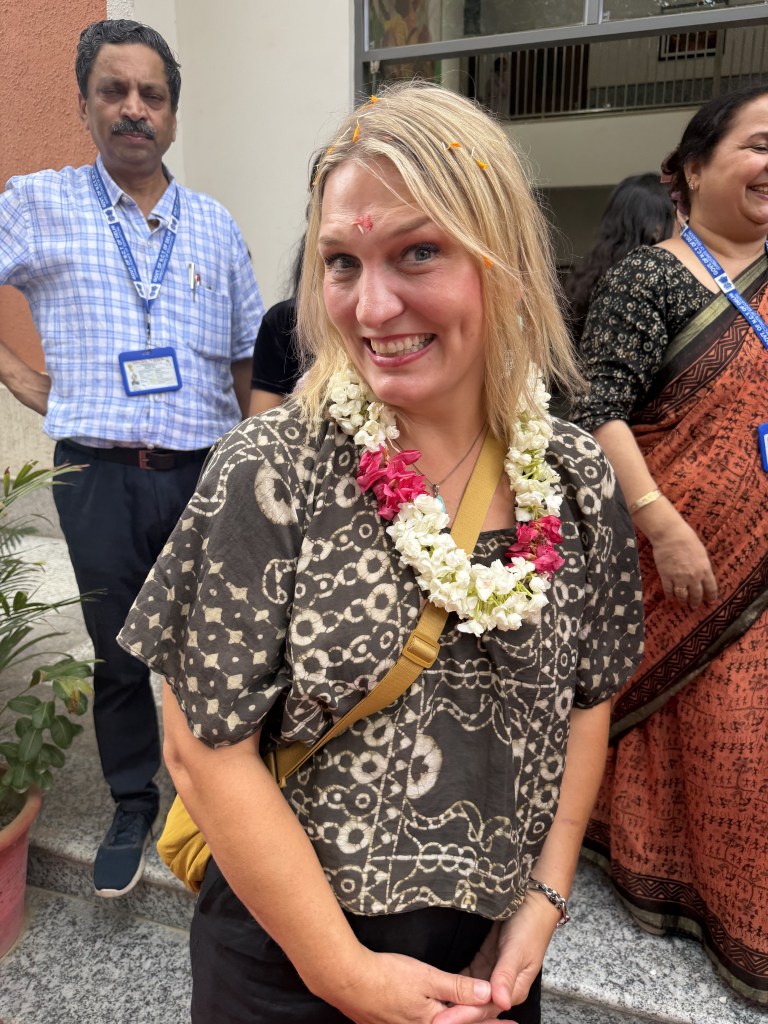
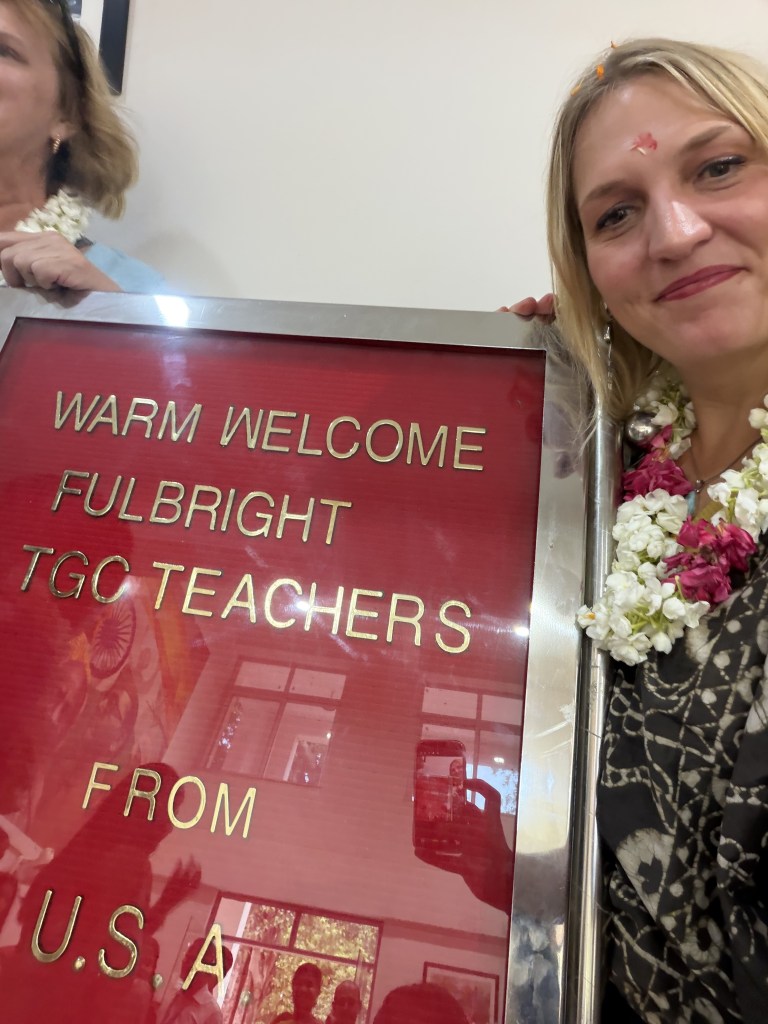
From the moment we arrived, we were welcomed with what truly felt like a royal reception. A red carpet led us to the entrance as the school band played. We were greeted with flowers and a traditional tilak placed on our foreheads, a beautiful custom rooted in the philosophy of Atithi Devo Bhava, meaning “The guest is God.” These gestures symbolize respect, love, blessings, and an auspicious beginning. It was a deeply moving reminder of the value Indian culture places on hospitality, education, and human connection.
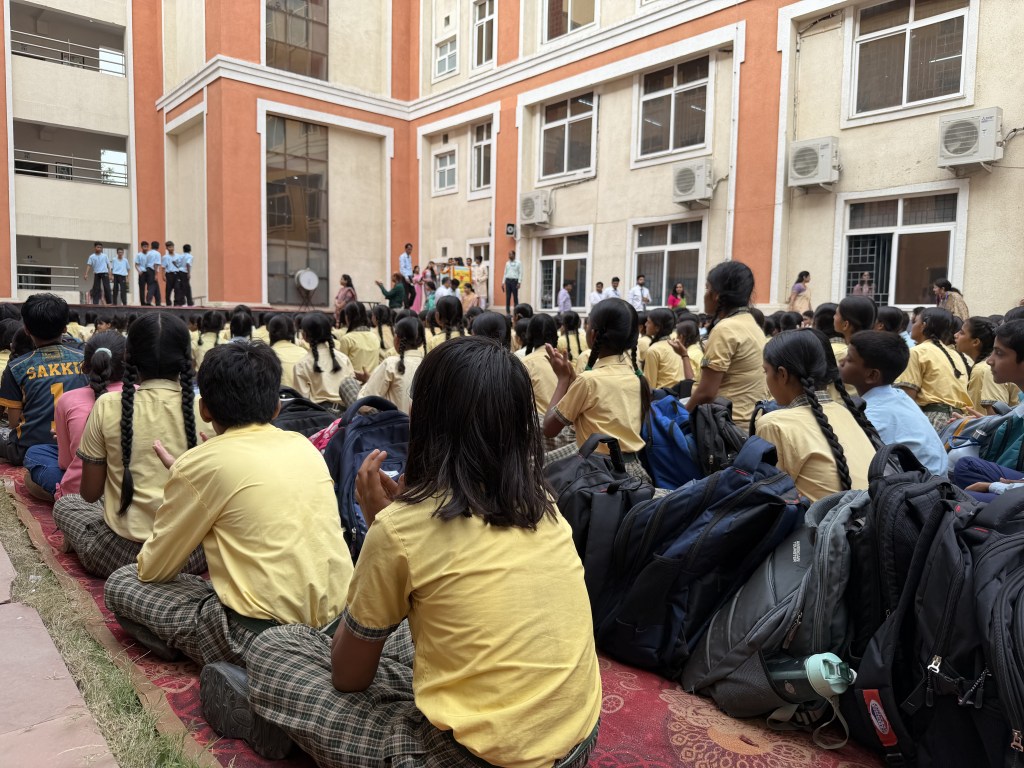
Inside the school, we attended a vibrant school-wide assembly filled with music, dance, and celebration. We were honored with traditional dupattas, another gesture of welcome and respect. Standing among hundreds of students, I was overwhelmed with gratitude. It was one of those moments that reminds you why cultural exchange matters.
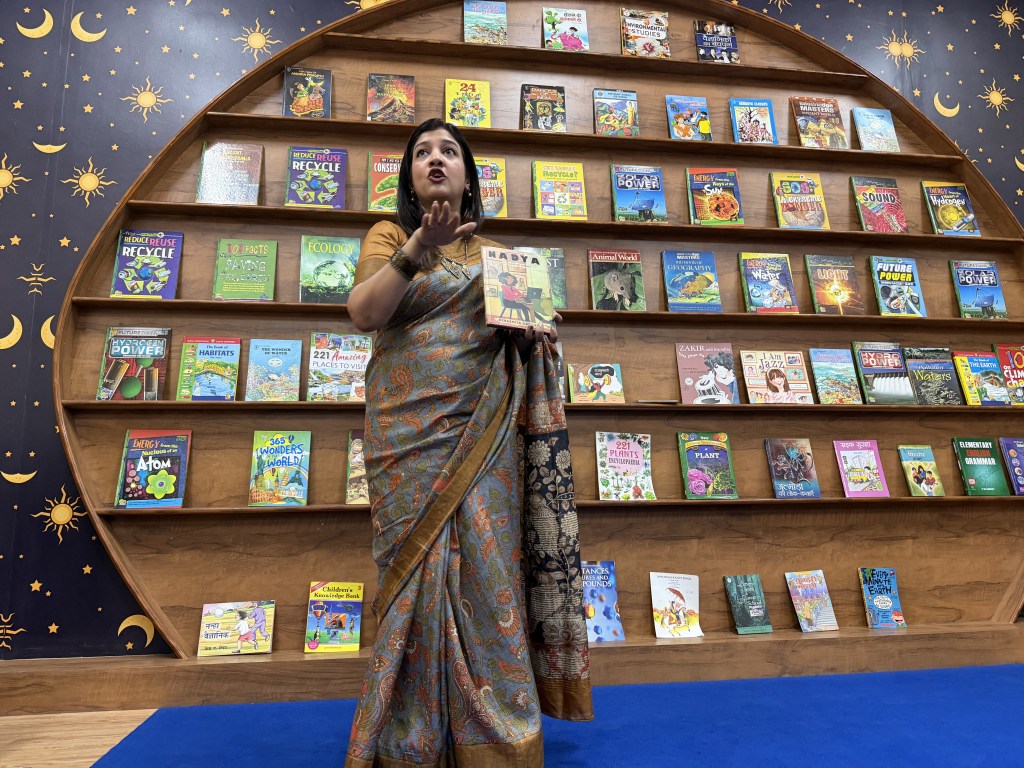
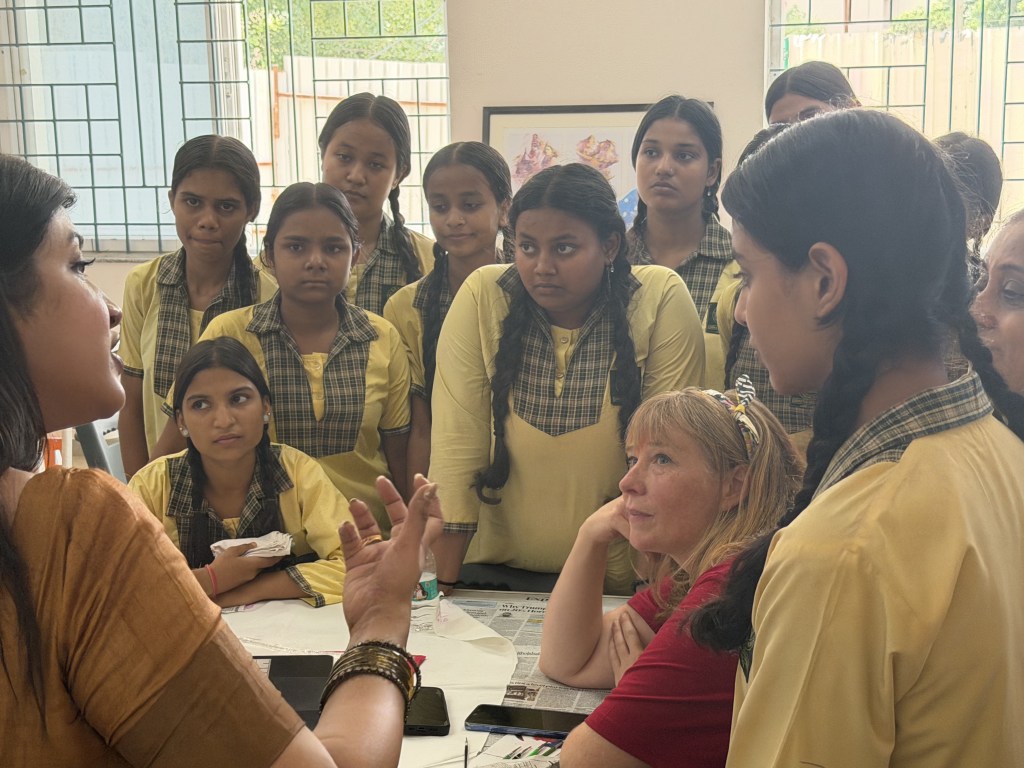
Throughout the day, we visited an impressive range of classrooms, including special education, English, biology, physics, career counseling, the library, wellness, and art. I was struck by the quality of instruction and the school’s unwavering commitment to child-centered learning. This government school has earned exceptional academic results and numerous accolades. It was evident that the teachers are passionate about their work and that students are motivated to learn and succeed.
As part of my Fulbright experience, I have been exploring the question:
How do Indian educators integrate cultural traditions, including the arts, to support students’ mental health and holistic development, and how can these practices inform my work as a teacher leader?
CM Shri School offered countless examples.
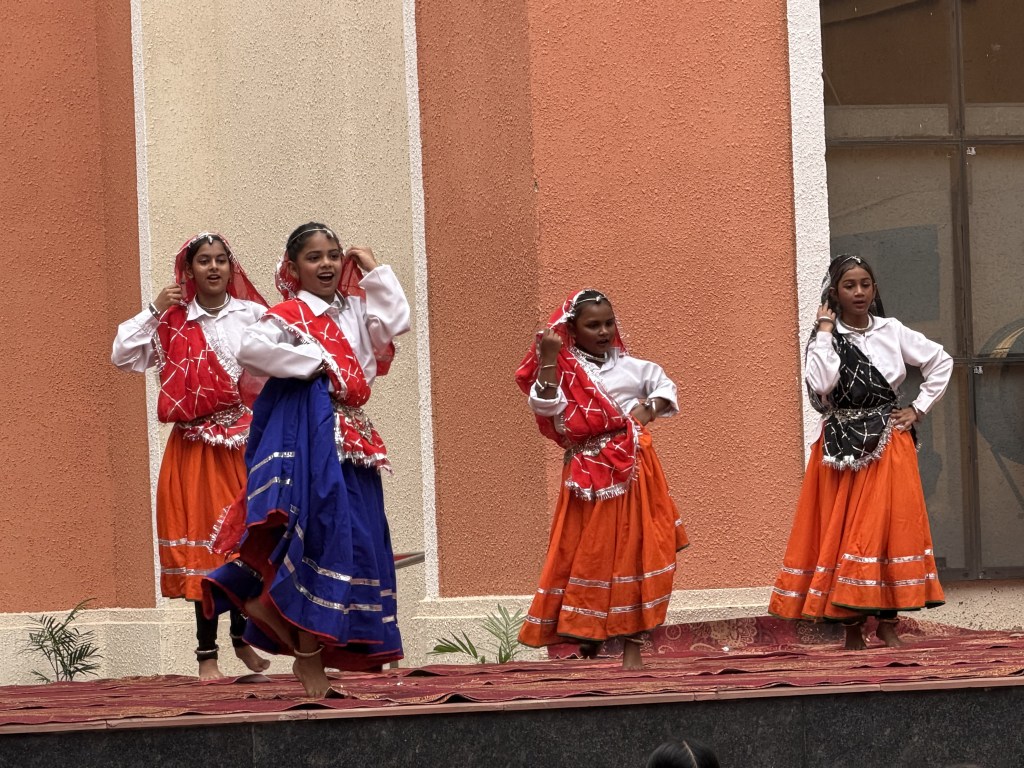
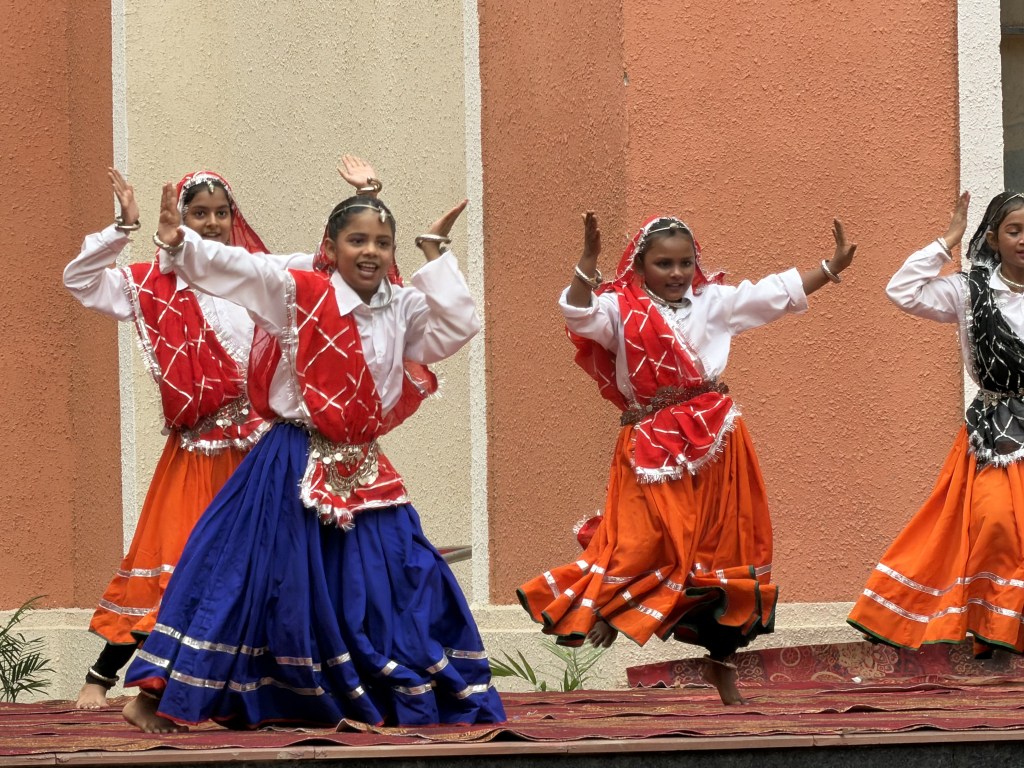
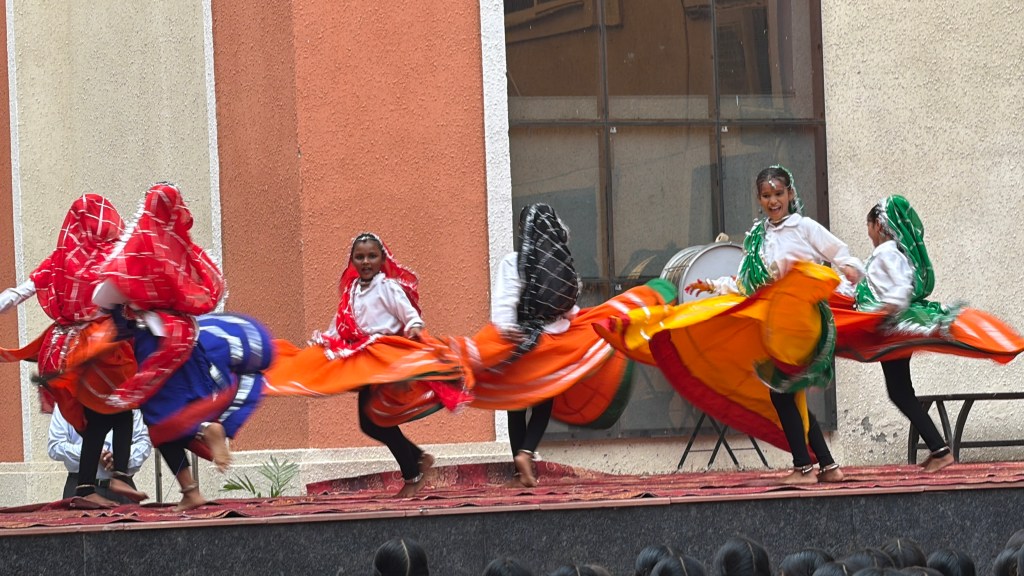
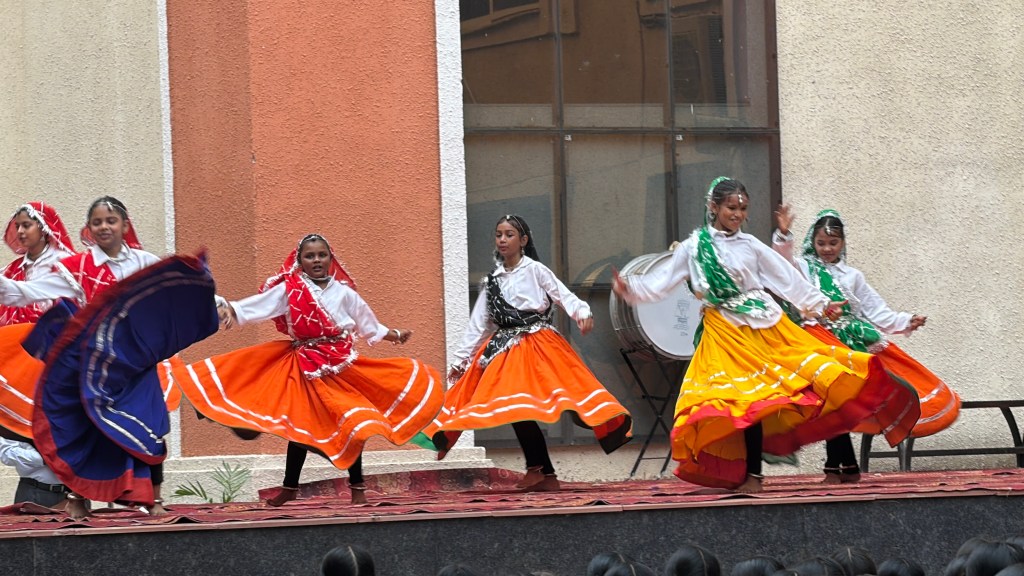
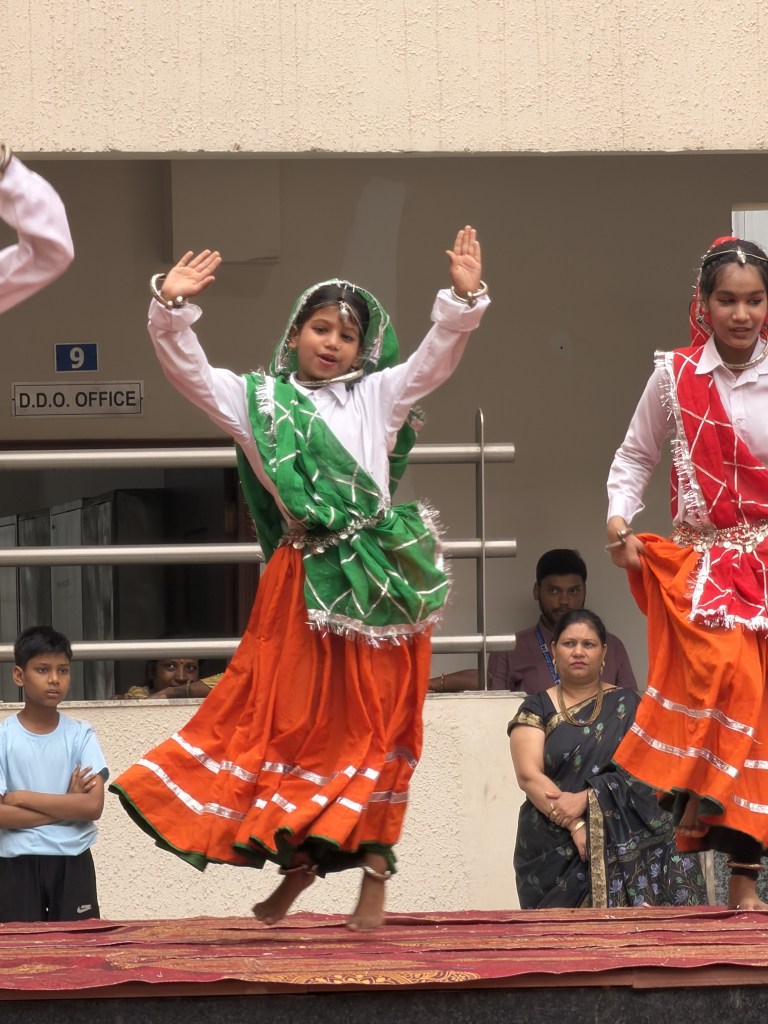
Female students participate in traditional Indian dance, practicing both the artistic techniques and the cultural traditions associated with the performances, including traditional dress, hairstyles, and makeup. Male students participate in dynamic yoga and strength performances that celebrate discipline, physical wellness, and teamwork.
The school’s commitment to wellness extends beyond physical activity. Students participate in a dedicated wellness class each week, spending an hour learning meditation and mindfulness practices that encourage emotional regulation and mental well-being.
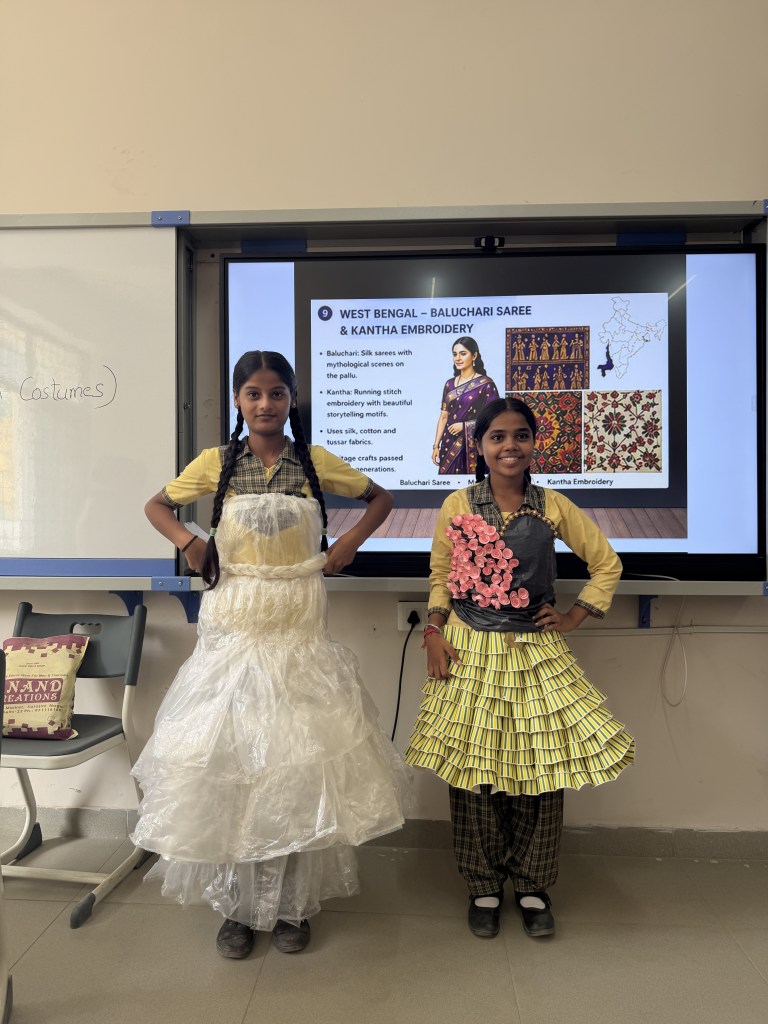
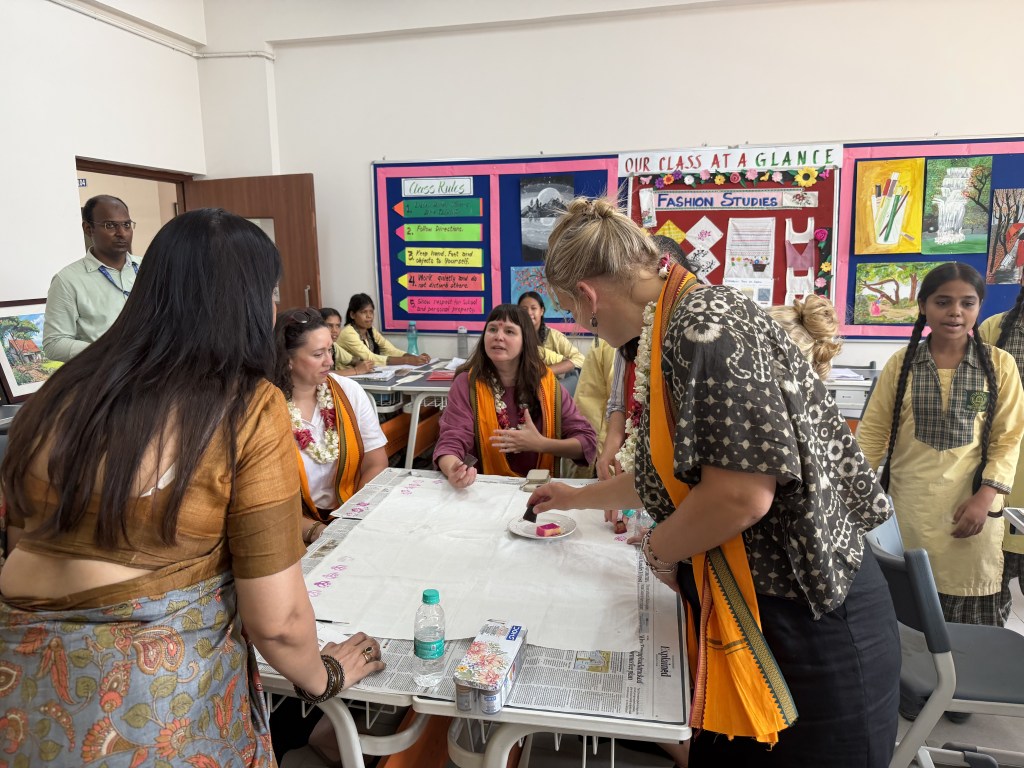
Another highlight was the Fashion Design program, where students study both contemporary and traditional clothing from across India’s diverse regions. Through fashion, students gain a deeper appreciation for the country’s rich cultural heritage while developing creative and technical skills.
What impressed me most was how intentionally these experiences are woven into everyday school life. They are not simply extracurricular activities. Instead, they are valued parts of the curriculum. Together, they help students build confidence, develop a strong sense of identity and belonging, strengthen community, and preserve the traditions that make India’s culture so rich.
As an educator, I left inspired. While our educational systems may differ, the commitment to nurturing the whole child is universal. Watching culture, wellness, and academics work together so seamlessly challenged me to think differently about how we can cultivate belonging, celebrate identity, and support students’ overall well-being back home.
This visit reminded me that education is about far more than academic achievement. It is about helping young people discover who they are, where they come from, and how they can contribute to the world around them.


Leave a Reply