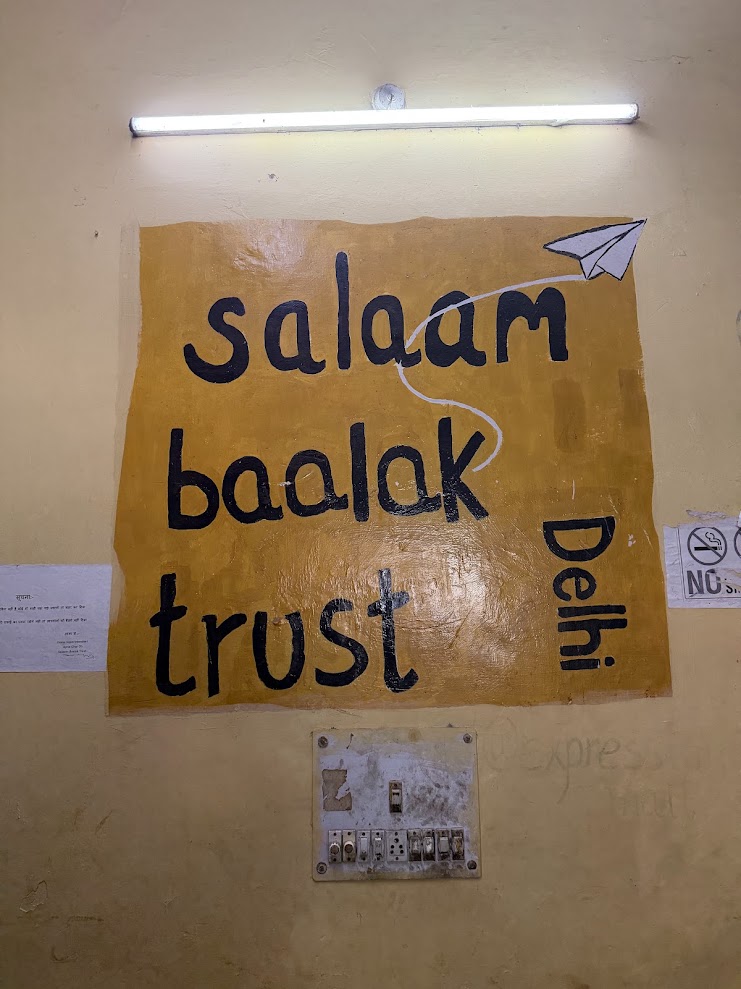
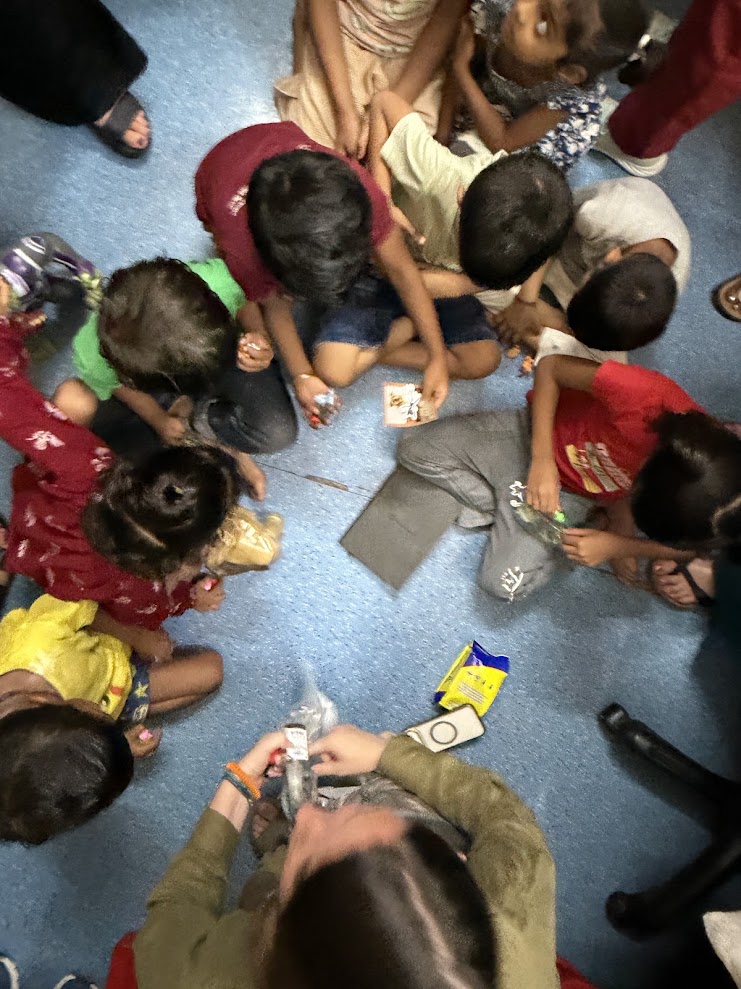
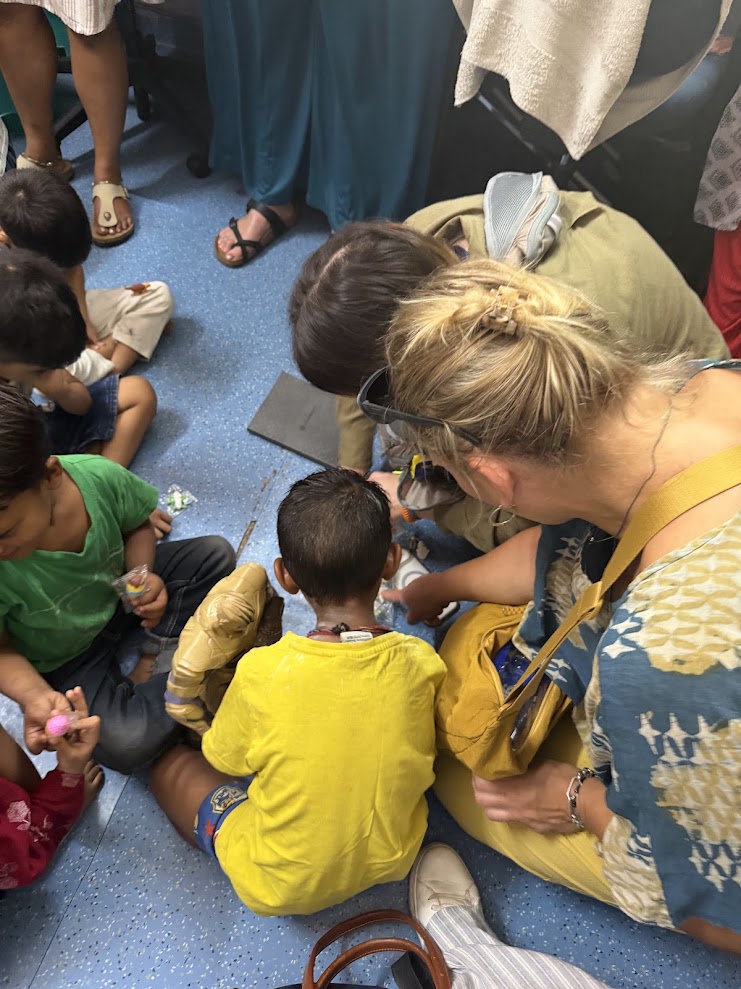
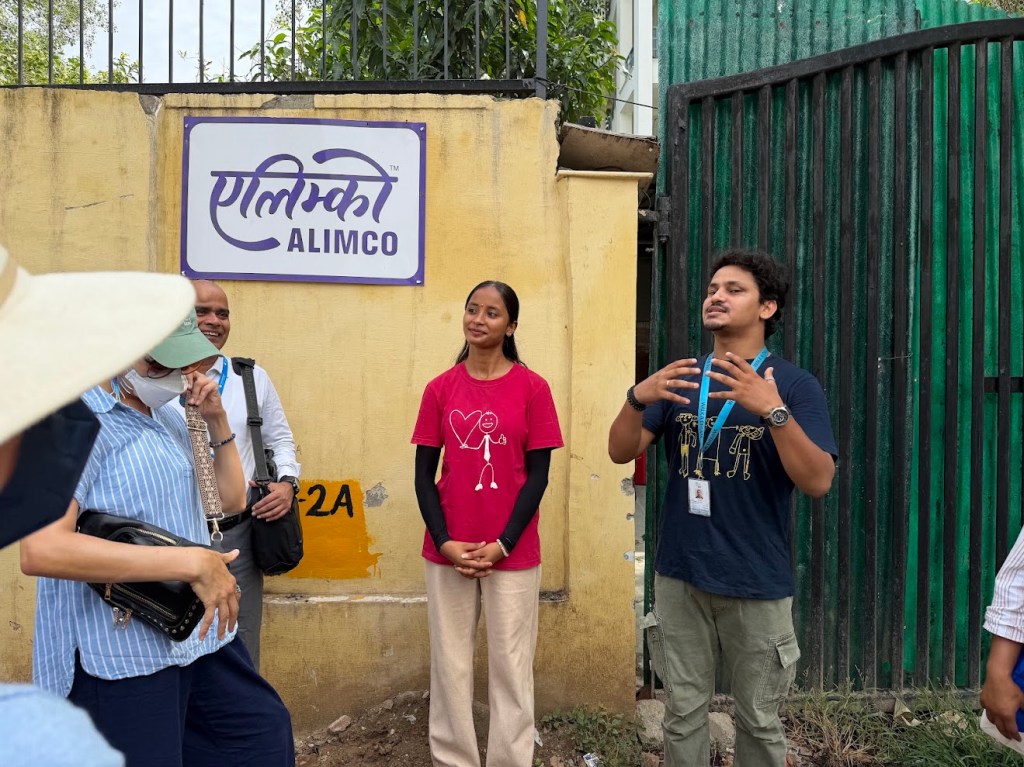
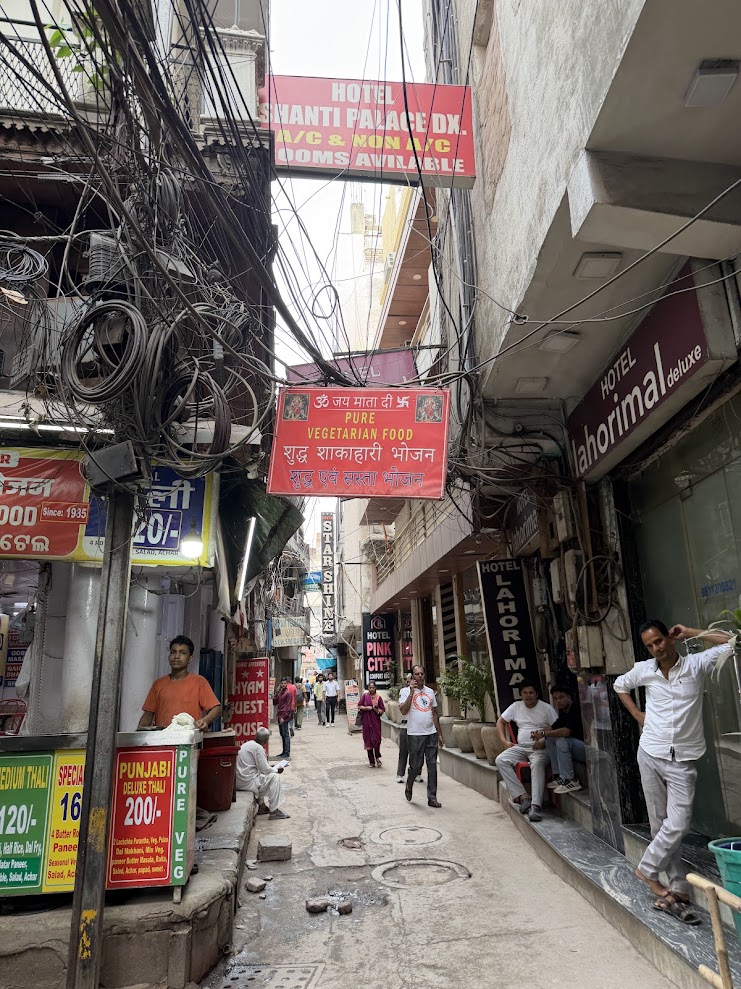
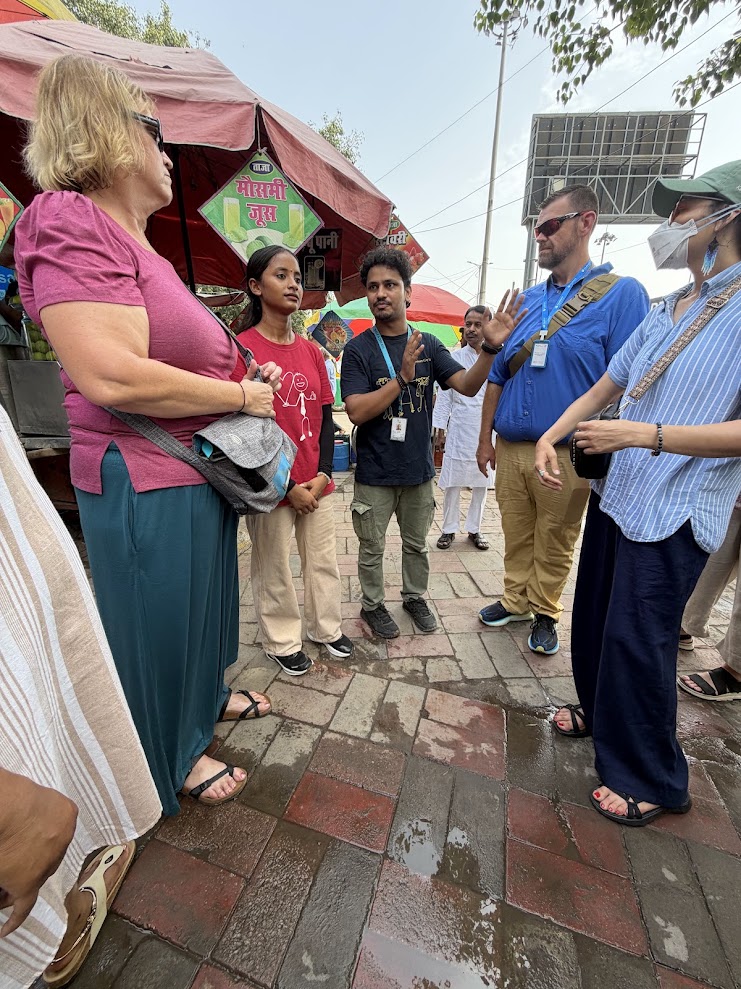
Delhi is a city of vivid contrasts, where thousands of children face the harsh reality of living on the streets without safety or stability. During my recent visit, I participated in the City Walk hosted by Salaam Baalak Trust (SBT) an eye-opening tour guided by young adults who once lived on these very streets. Meeting the teachers, counselors, and facilitators revealed the profound impact of their work in empowering India’s most vulnerable youth.
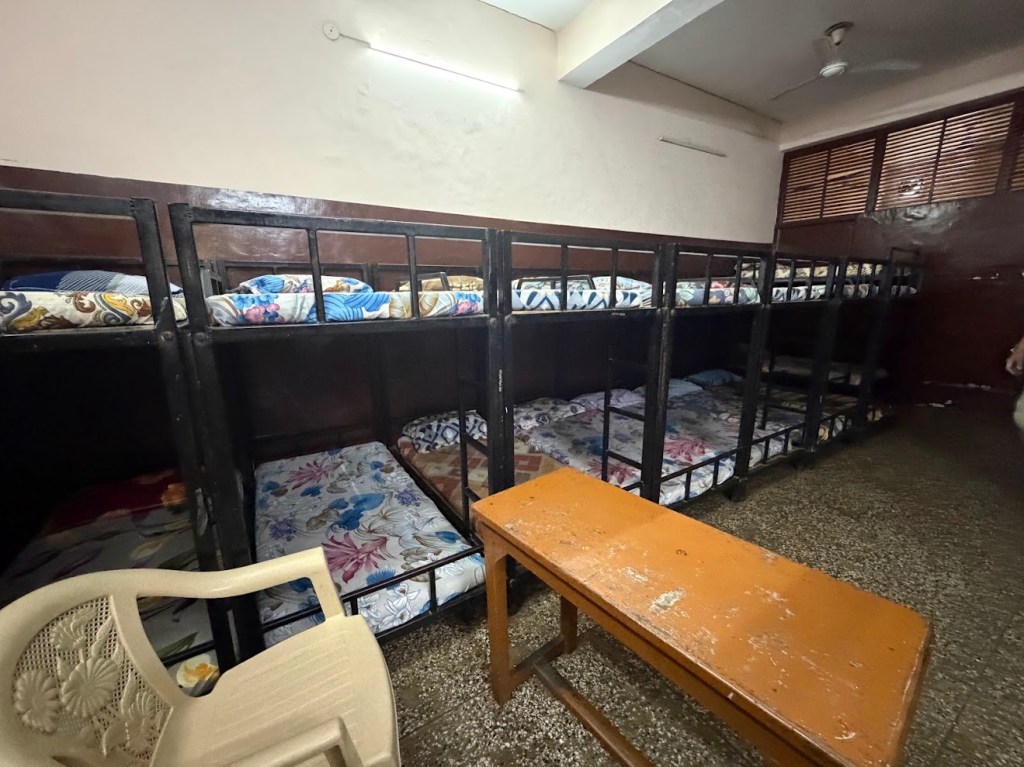
The transformation begins at the ground level, where outreach workers build trust with street children and introduce them to Contact Points for meals, healthcare, and sanctuary. From there, SBT provides an inclusive education system tailored to each child’s needs. Whether through formal schooling, open learning, or specialized support for learning disabilities, the goal is to nurture curiosity and restore dignity in children who have faced severe trauma.
Beyond academics, SBT focuses on healing the whole child through art, cultural trips, and summer camps, giving them the confidence to explore their potential. As founder Mrs. Praveen Nair emphasized, education must link directly to livelihood. Youth over 16 receive targeted vocational training in fields ranging from graphic design and photography to housekeeping and media editing. From engineering graduates to successful creative professionals like photographer Vicky Roy, the stories coming out of SBT prove that with compassion and support, every child can truly dream on.
How do Indian educators integrate cultural traditions, including the arts, to support students’ mental health and holistic development, and how can these practices inform my work as a teacher leader?
Indian educators at organizations like SBT integrate cultural traditions such as daily morning prayers, storytelling, puppetry, theatre, music, and visual arts not just as extracurricular activities, but as essential therapeutic tools. For children who have experienced profound trauma, traditional artistic expressions offer a safe, non-verbal outlet to process complex emotions, build resilience, and restore a sense of belonging and identity.
As a teacher leader, these practices offer powerful lessons:
Lead with Empathy and Flexibility: Meet students where they are by creating multi-layered, inclusive learning environments that respect individual journeys and trauma histories.
Embrace Art as Healing: Incorporate creative expression and cultural storytelling into daily routines to support students’ emotional well-being alongside academic growth.
Adopt a Holistic View of Success: Recognize that education extends beyond textbooks. Cultivating emotional richness, self-worth, and practical life skills is just as critical as academic achievement.


Leave a Reply